How Are HR Teams Using AI Agents for Recruiting and Onboarding?
Prachi Wadhwa
Author
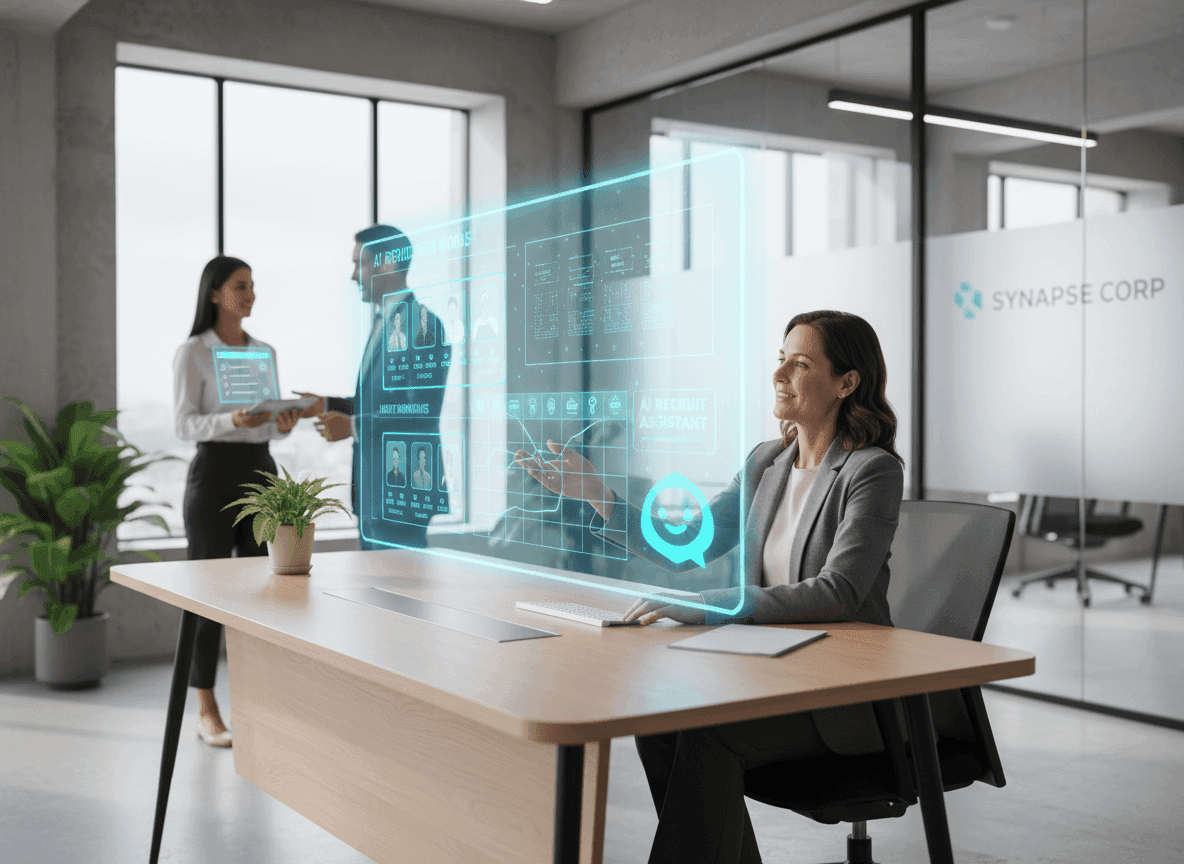
In the modern B2B SaaS environment, the "War for Talent" is won or lost in the first 48 hours. If a high-quality candidate applies and doesn't hear back for a week, they are likely already in another company's interview loop.
HR AI Agents serve as a bridge between high-volume administrative tasks and the human-centric nature of People Operations. By automating the "logistical friction" of hiring, HR teams can spend their time on what actually matters: assessing cultural fit, negotiating offers, and supporting employee growth.
Removing Friction from the Recruiting Pipeline
The traditional recruiting funnel is often a "black hole" where resumes sit unread for days. AI agents turn this into a real-time engine.
Autonomous Sourcing and Candidate Pre-Screening
Instead of a recruiter manually searching LinkedIn for hours, an AI agent can:
- Passive Sourcing: Monitor job boards and social professional networks for specific skill sets and "intent signals."
- Contextual Screening: Unlike keyword-based filters (which candidates can "game"), an AI agent reads a resume for competency. It can recognize that "leading a team of 10" at a Series A startup is more relevant than a generic title at a legacy corporation.
- Instant Engagement: The moment a qualified candidate applies, the agent can initiate a friendly chat to clarify details (e.g., “Are you comfortable with a remote-first culture?”) and move them to the next stage instantly.
The 24/7 Scheduling Assistant
Interview scheduling is arguably the most tedious task in HR. An AI agent integrates with the calendars of the hiring team and the candidate. It handles the back-and-forth of rescheduling, sends calendar invites, and attaches the relevant "Interview Brief" to both parties— eliminating days of email lag.
The 24/7 Onboarding Concierge for New Hires
A bad onboarding experience is one of the leading causes of early turnover. AI agents act as a "Digital Buddy" for every new hire.
- The Documentation Gap: Instead of bombarding managers with questions like “Where is the 401k form?” or “How do I set up the VPN?”, new hires ask the HR agent. The agent pulls answers directly from the internal wiki.
- Proactive Check-ins: The agent checks in on Day 1, Day 7, Day 30, and Day 90, collects sentiment (e.g., “Do you feel you have the tools you need?”), and alerts HR if risk signals appear.
- Workflow Execution: The agent autonomously triggers IT tickets for hardware, provisions Slack access, and schedules coffee chats with key stakeholders.
Maintaining the Human Touch in an Automated Workflow
The goal of an HR agent is not to depersonalize the experience, but to make it more human.
- Eliminating the "Ghosting" Culture: Every candidate receives a thoughtful, timely response—even if they aren’t a fit—protecting your employer brand.
- Reducing Bias: Agents can blind sensitive data points (such as names or graduation years) during early screening to keep the focus on skills and experience.
- Manager Support: The agent generates interview guides tailored to each candidate’s resume, helping managers ask sharper, more relevant questions.