Why Are SaaS Companies Adopting AI Agents So Quickly?
Prachi Wadhwa
Author
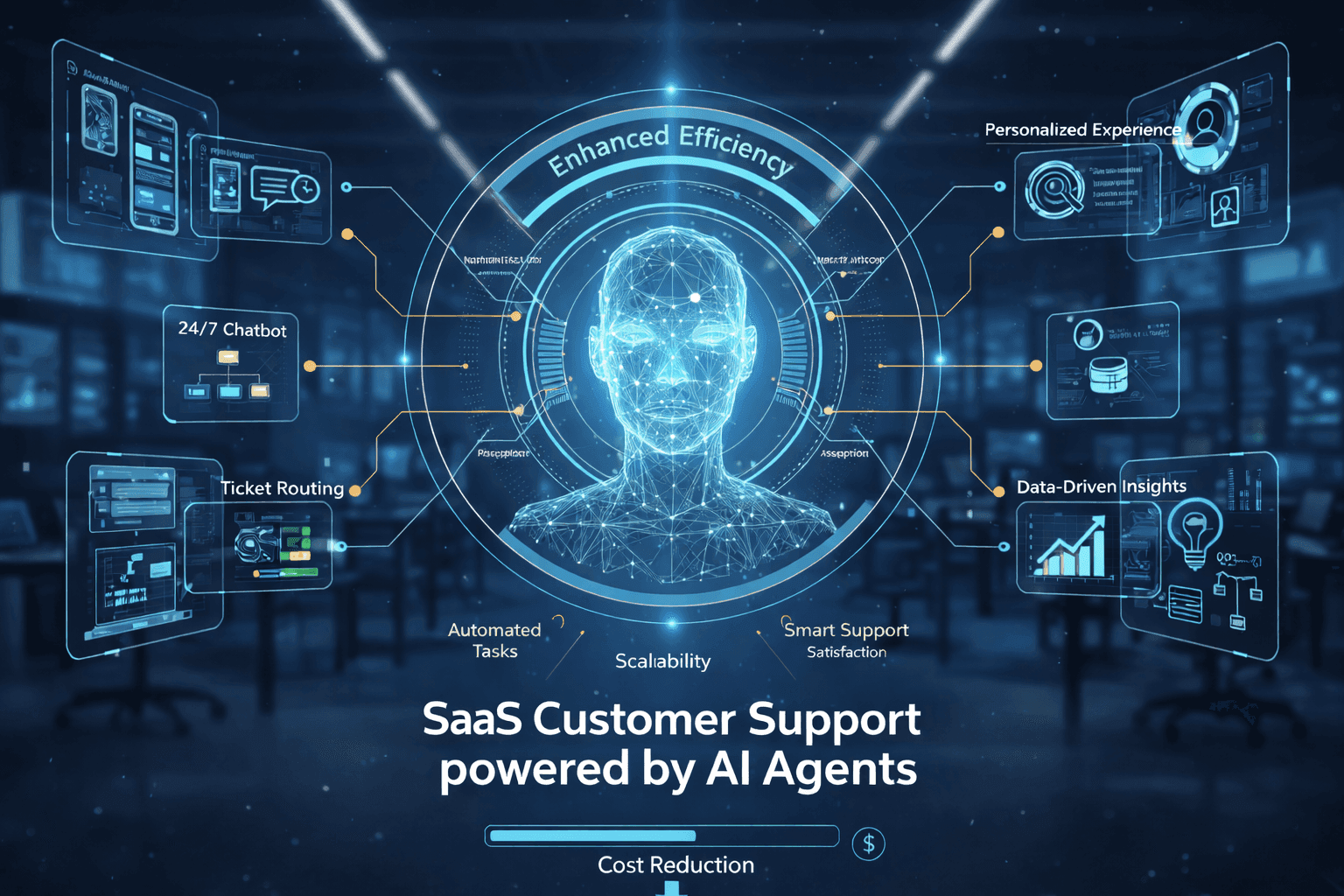
In the world of B2B technology, a fundamental shift is occurring. We are moving from the era of “Software-as-a-Service” (SaaS) to “Service-as-a-Software.”
Historically, SaaS companies provided the tools, but businesses had to provide the labor to use them. If you bought a CRM, you still had to hire someone to type in the data. Today, SaaS companies are embedding AI agents directly into their platforms to perform the labor themselves. This rapid adoption isn’t just a trend—it’s a structural evolution of how software creates value.
The Move from “SaaS” to “Service-as-a-Software”
The value proposition of software is changing from utility to outcome.
The Old Model: You pay for a seat in a project management tool. Your value depends on how well your team uses it.
The Agentic Model: You pay for an agent that manages the project, follows up on deadlines, and generates status reports.
This shift is driven by the Time-to-Value (TTV) metric. In a competitive market, the SaaS platform that can deliver a finished result (a reconciled ledger, a booked meeting, a resolved ticket) will always win over the platform that merely provides a blank dashboard.
Technical Foundations: Why SaaS Is “Agent-Ready”
SaaS companies have a massive head start in the AI race because of their underlying infrastructure.
API-First Infrastructure: The Secret Sauce for Agents
For an AI agent to be useful, it needs “hands” to interact with the world. Because almost all modern SaaS tools are built with robust APIs, agents can easily read and write across different platforms.
Example: A sales agent can pull a lead from LinkedIn, check the history in HubSpot, and send a message via Gmail because those tools already communicate through APIs.
The Centralization of Business Data
SaaS has spent the last decade moving business data to the cloud. This centralized, structured data is the fuel AI agents need to reason and make informed decisions. Without this digital foundation, agentic workflows would be impossible.
The Economic Moat: Efficiency as a Competitive Advantage
In 2026, the “growth at all costs” mentality has been replaced by efficient growth. Investors and founders want to scale revenue without linearly scaling headcount.
- Lowering the Cost of Service: For SaaS companies with a managed service component, agents allow them to handle 10× the client volume with the same team size.
- Reducing Churn: Agents monitor user health signals. If a user hasn’t logged in for three days, an agent can autonomously send a helpful tip or tutorial to prevent churn.
- The “Sticky” Factor: Once an AI agent is embedded into custom workflows, switching costs rise dramatically—creating a powerful defensive moat.
Looking Ahead: The Future of the Agentic Enterprise
We are moving toward a future where every employee has a fleet of AI agents reporting to them. A Marketing Manager becomes a Marketing Orchestrator, overseeing agents that manage SEO, social media, and email campaigns.
The Zero-UI Future: Eventually, we may stop clicking buttons in SaaS dashboards altogether. Instead, we’ll say: “Get me 10 new qualified leads this week.” The agent will navigate multiple SaaS tools autonomously to make it happen.